PotteryGlow is built around the first practical steps of decorative tableware: handling clay, forming small dishes, smoothing edges, checking bases, and planning surface detail before the piece becomes harder to adjust.
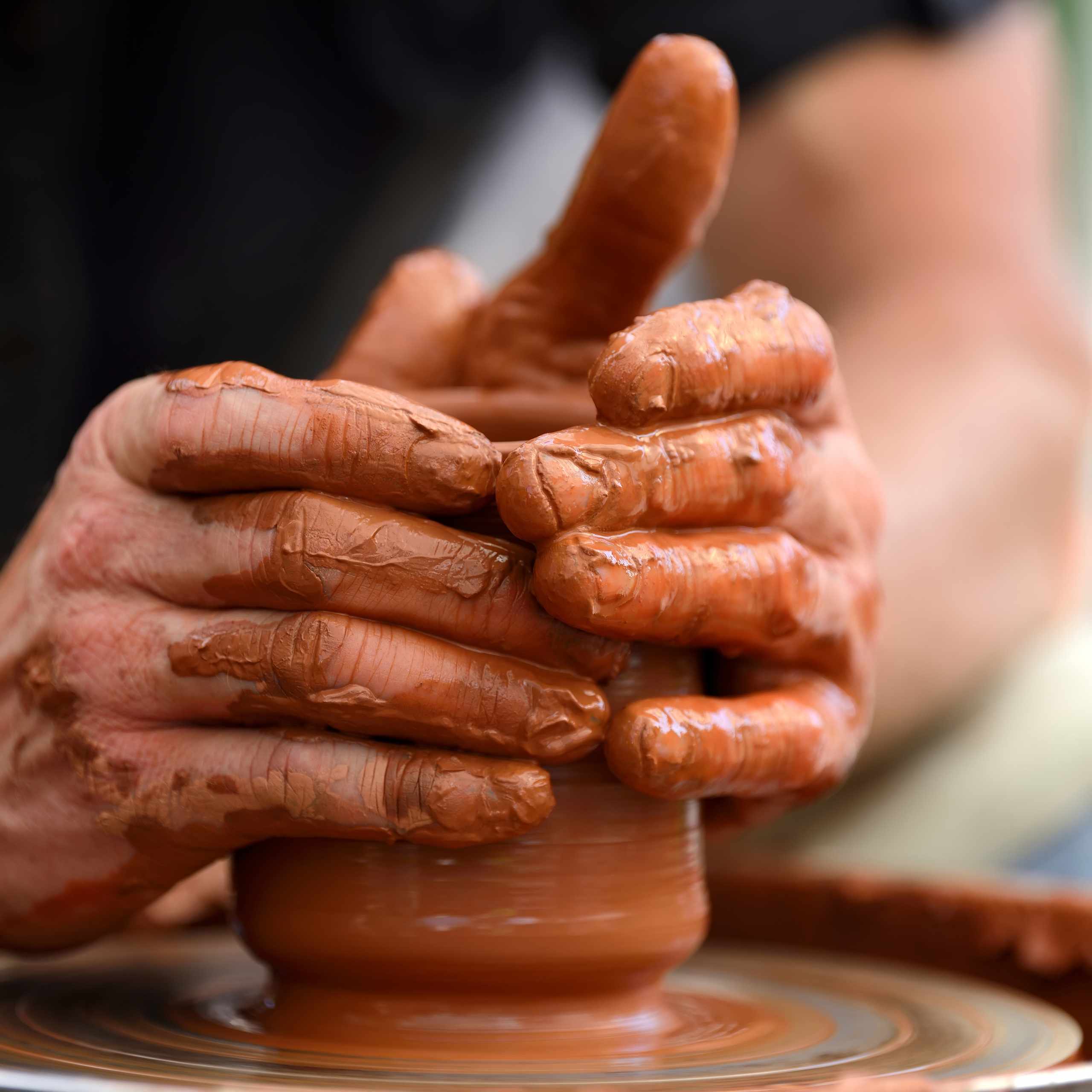
Slow Clay Decisions First
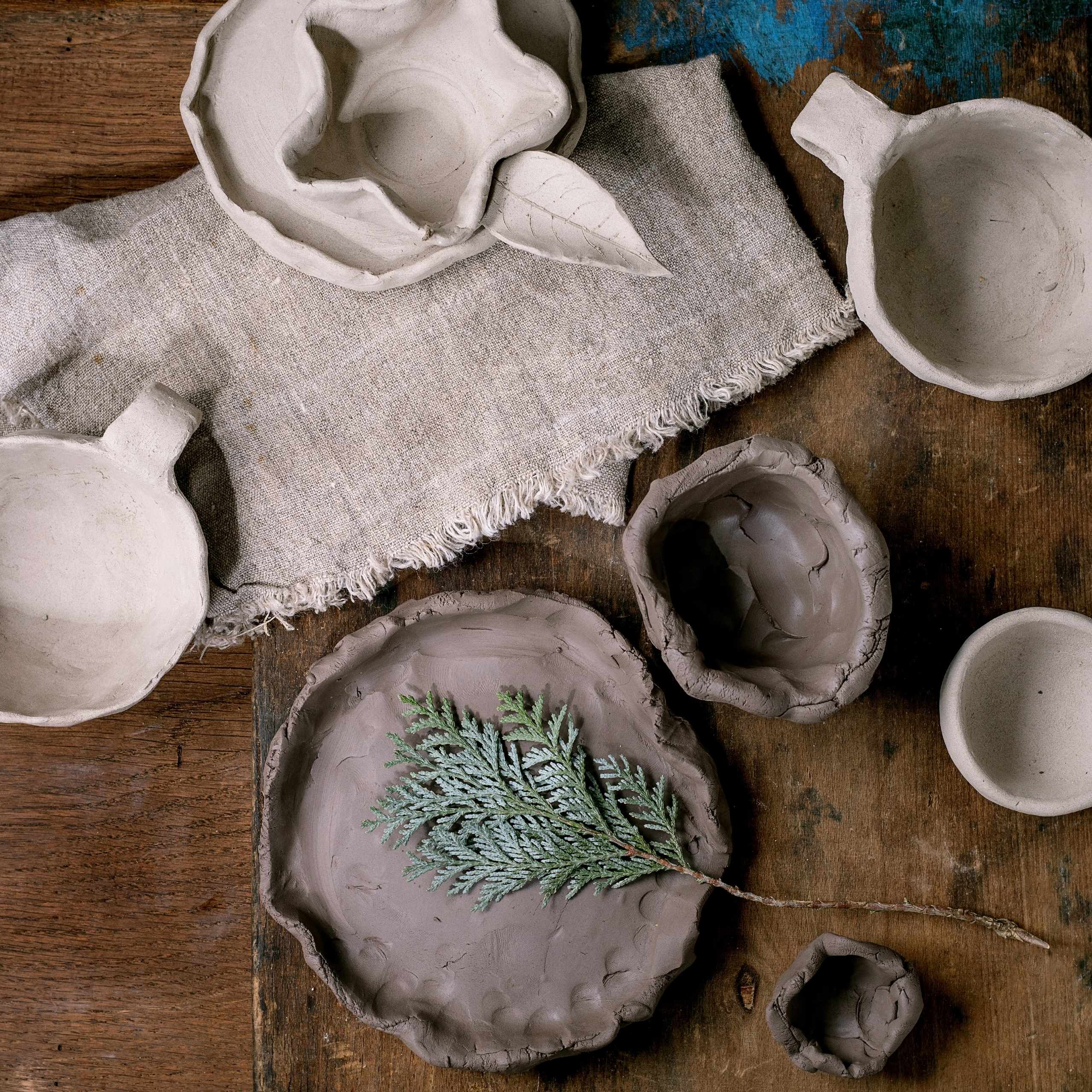
The course focuses on small handmade pieces because they make the first clay decisions easier to see. A shallow dish, plate, tray, or bowl gives learners a clear place to practice moisture control, wall thickness, rim smoothing, and base checks without jumping into oversized or advanced forms.
Practice is treated as a sequence of visible checks. Learners notice when clay is too wet, when a join needs more compression, when a rim feels sharp, and when a surface should be tested on scrap clay before decoration is added to the main piece.
What Shapes The Practice
Touch Before Decoration
Before adding texture or underglaze, learners practice how clay responds to pressure, water, sponge smoothing, and simple hand-building motions.
Checks Before Fixes
Warping, wobbling, thin spots, and rough rims are easier to handle when they are noticed during shaping instead of at the very end.
Tests Before Main Pieces
Texture stamps, carving marks, and color placement can be tried on small tiles or scrap clay before being used on a dish surface.
How The Course Supports Practice
This section replaces the idea of a fake team with the practical learning habits used throughout the course.
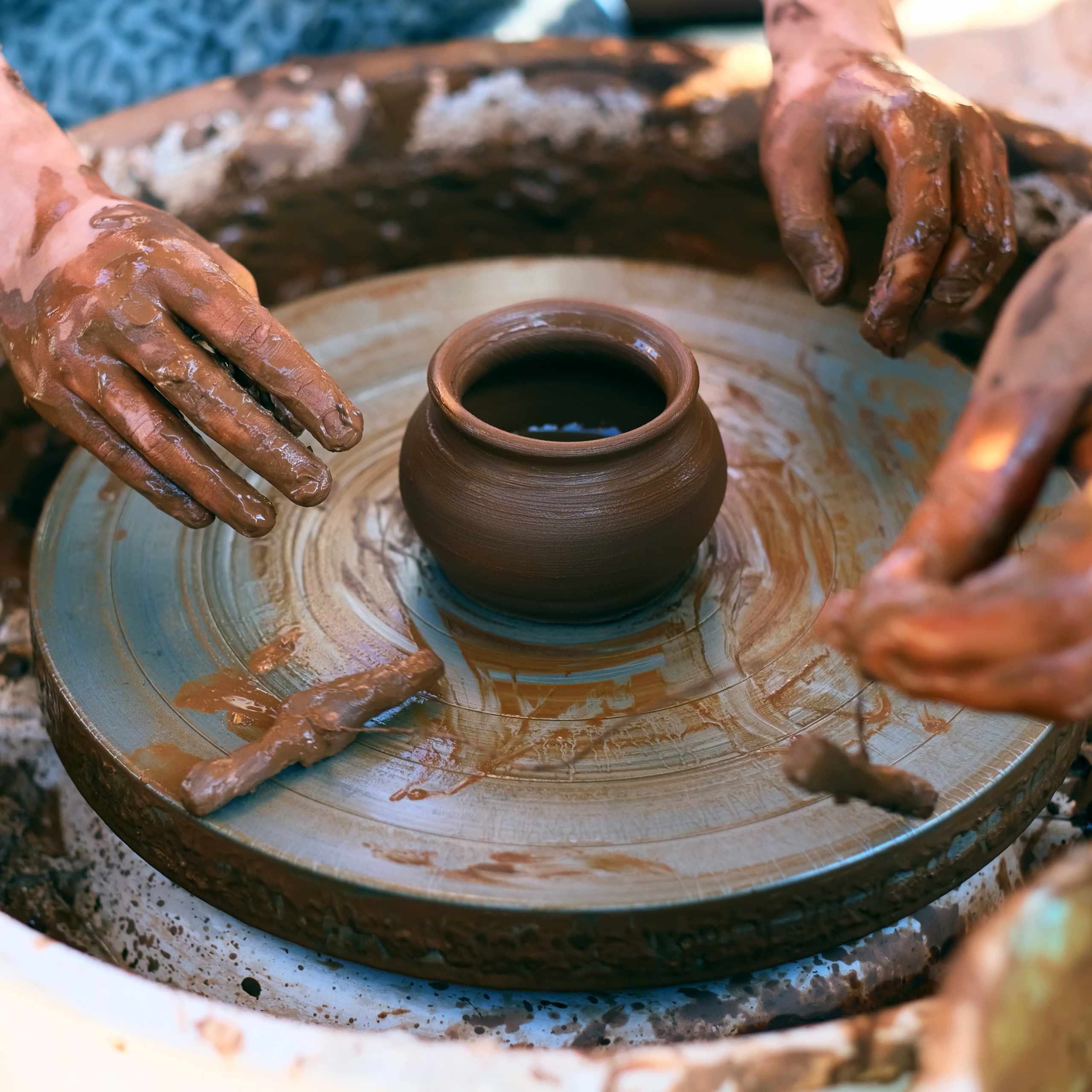
Prepare The Clay
Learners begin by noticing moisture, soft spots, and how much pressure the clay can take before it stretches.
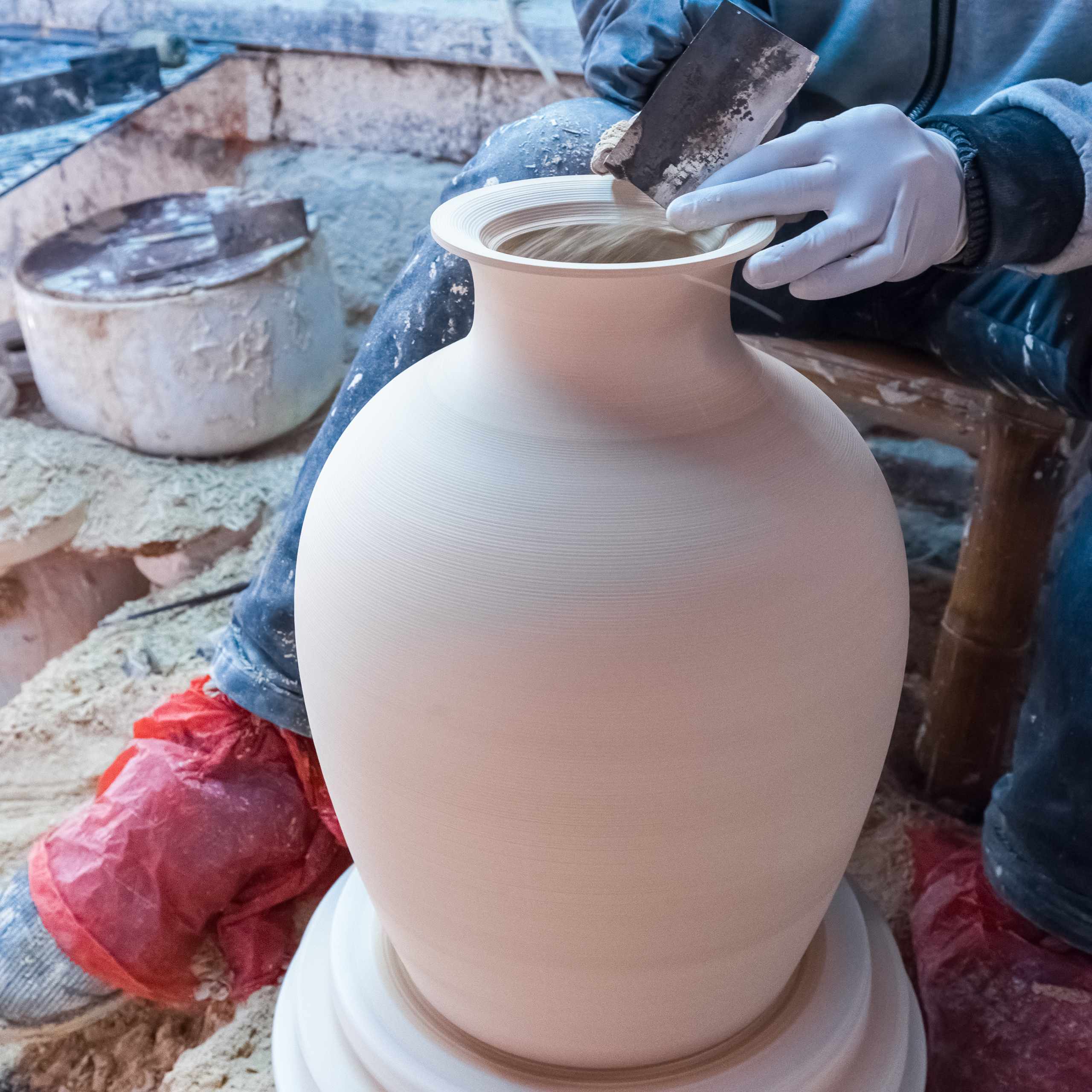
Shape A Small Form
Pinch, coil, and slab methods are used to form simple plates, dishes, and trays that can be checked from every side.
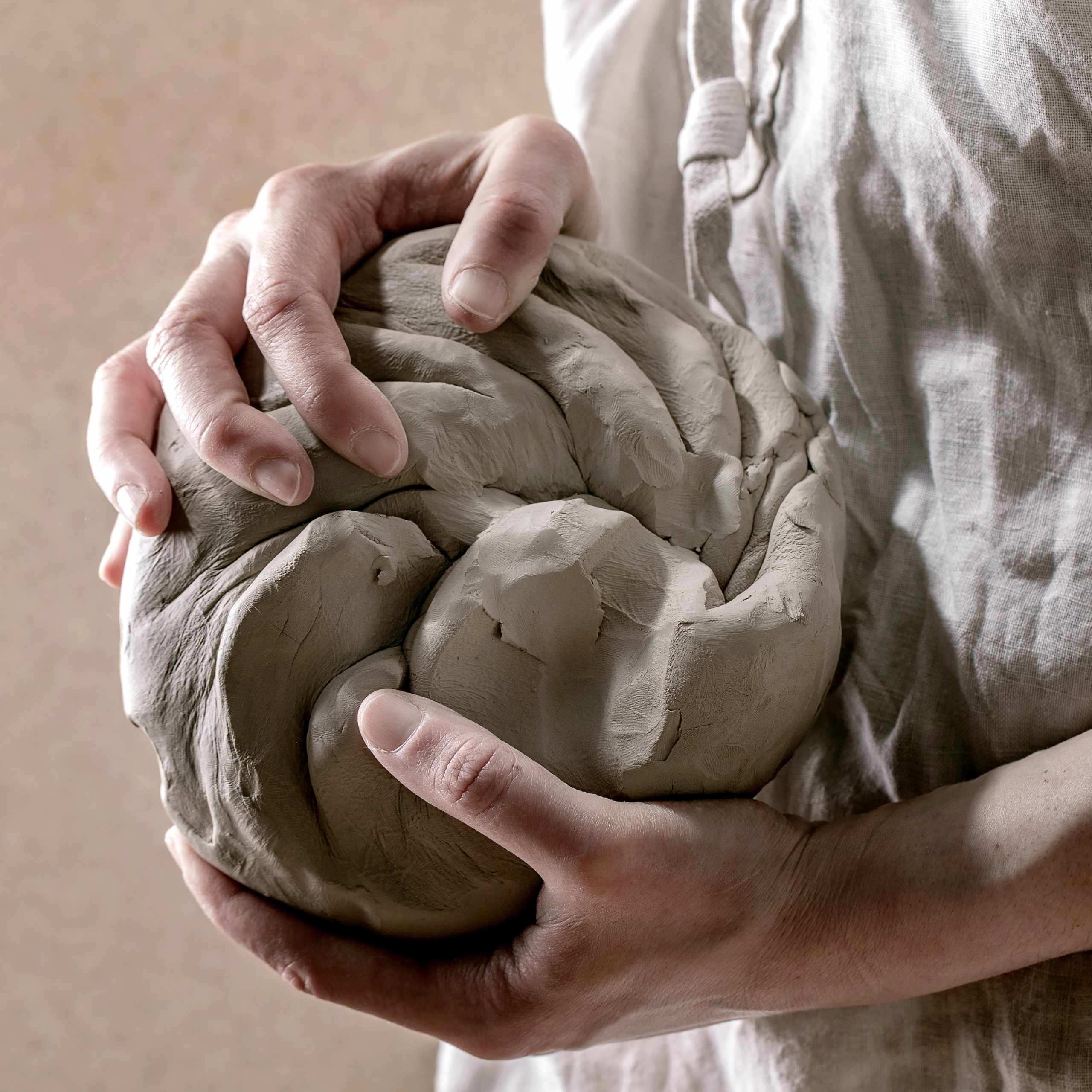
Refine The Edges
Rims, bases, joins, and corners are smoothed with patient handling so the piece feels tidier before decoration begins.
Plan The Surface
Decoration is approached through texture tests, simple carving, and careful timing at the leather-hard stage.
Want More Clay Notes?
Read practical articles on rims, bases, moisture, scoring, texture tests, and other small decisions that shape beginner pottery practice.
Browse Clay Guides