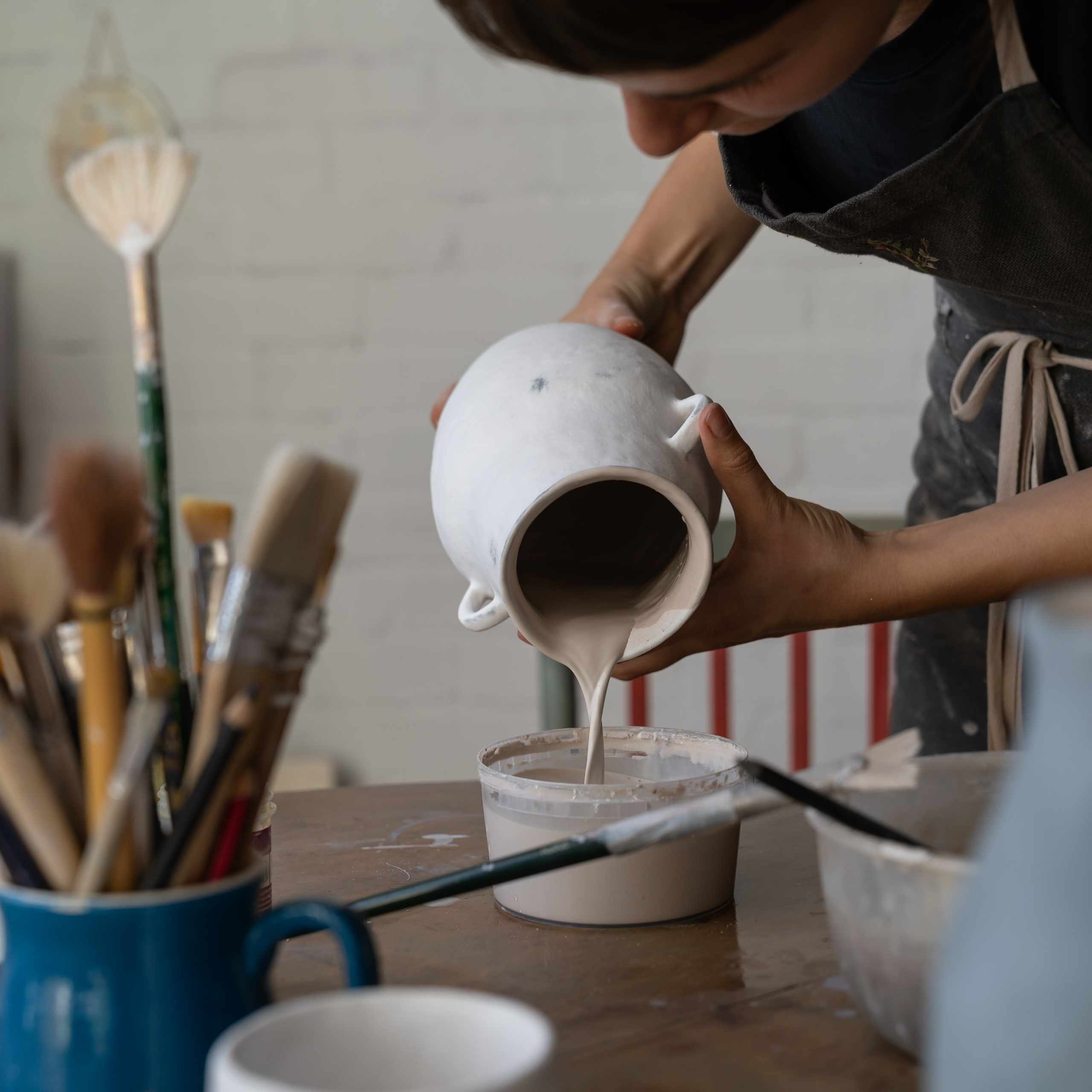
Shape Decorative Dishes By Hand
PotteryGlow introduces the first steps of decorative tableware: preparing clay, forming small dishes, smoothing rims, checking bases, and planning simple textures before the piece becomes too dry to adjust.
Small Forms, Clear Clay Checks
Practice pinch, coil, and slab methods while noticing wall thickness, moisture, joins, rims, and decoration timing.
Clay Preparation
Learn how moisture, pressure, and handling affect the first slab, coil, or pinch shape before decoration begins.
Even Rims
Practice trimming, tucking, and smoothing edges so a small dish feels tidier and less sharp in the hand.
Stable Bases
Use a flat surface check to spot wobbling early, before texture, underglaze, or extra details are added.
Joined Details
Work with scoring, slip, and compression when attaching small feet, handles, coils, or decorative clay pieces.
Surface Texture
Test imprints, carving, and simple sgraffito marks on scrap clay before pressing them into a main dish.
Drying Awareness
Notice when clay is soft, leather-hard, or too dry, so edges and joins are handled at the right moment.
From Plain Clay To Planned Detail
Decorative tableware becomes easier to approach when shape, surface, and timing are practiced as connected steps.
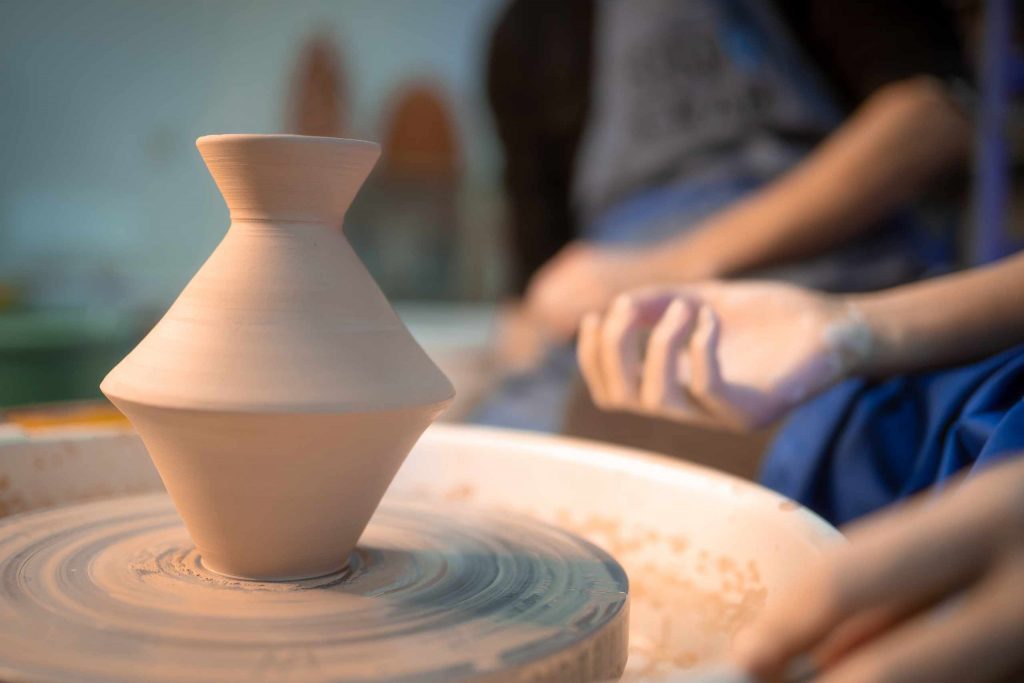
Why Clay Moisture Changes the Way a Handmade Plate or Bowl Behaves
What is the cause of the same lump of clay to behave like a friend some of the time and…
Read story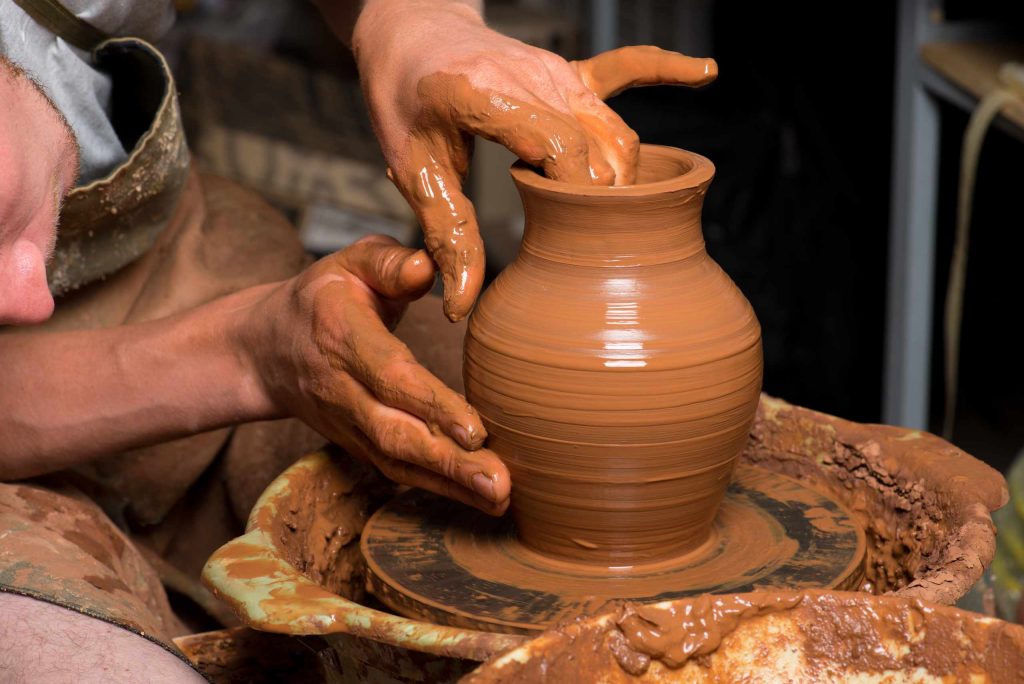
How to Test Texture Marks on Practice Tiles Before You Start Your Dish
Texture marks can look quite different on a loose piece of clay compared to when you try them on the…
Read story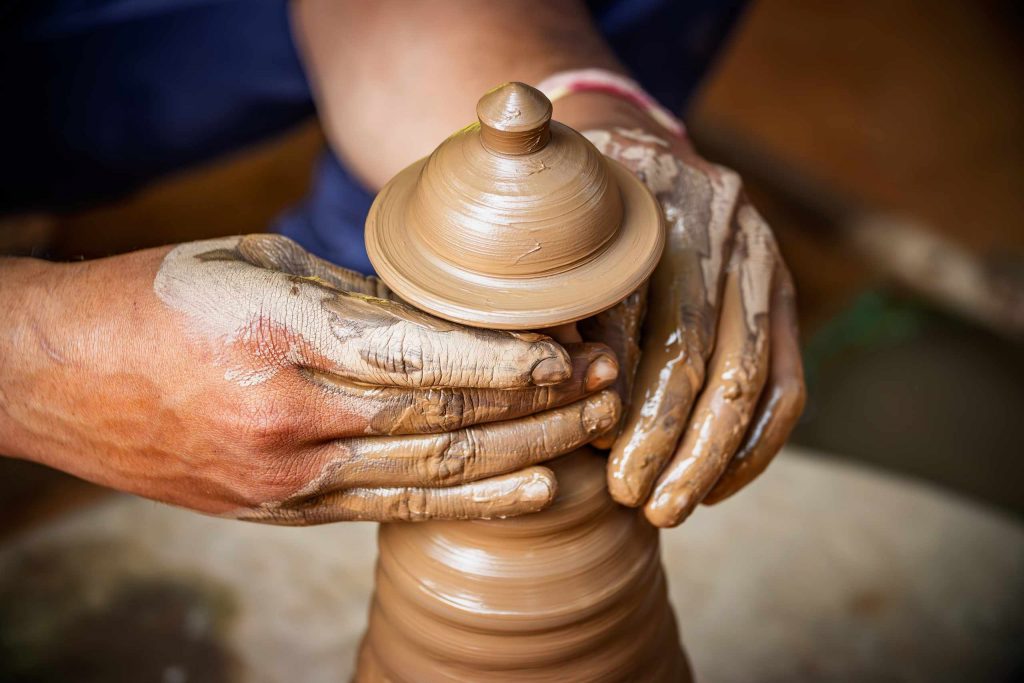
What to Check Before Trimming, Tucking, or Smoothing a Pottery Rim
The rim is the feature most directly perceived by one’s fingertips. However, while a dish can possess a strong base…
Read storyWhat The Course Pays Attention To
Instead of rushing toward a perfect finished piece, the practice focuses on small checks that make clay easier to understand.
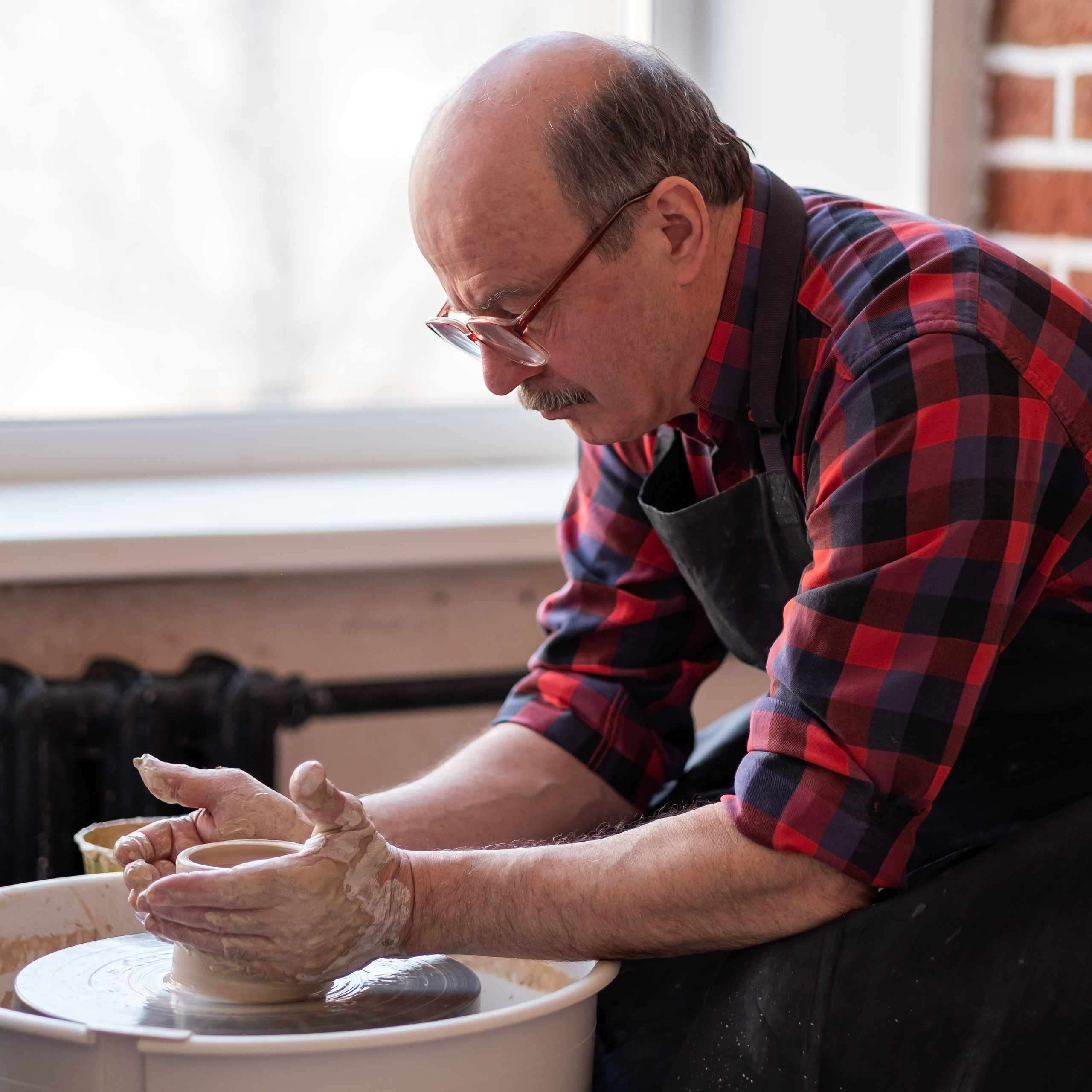
Moisture Before Pressure
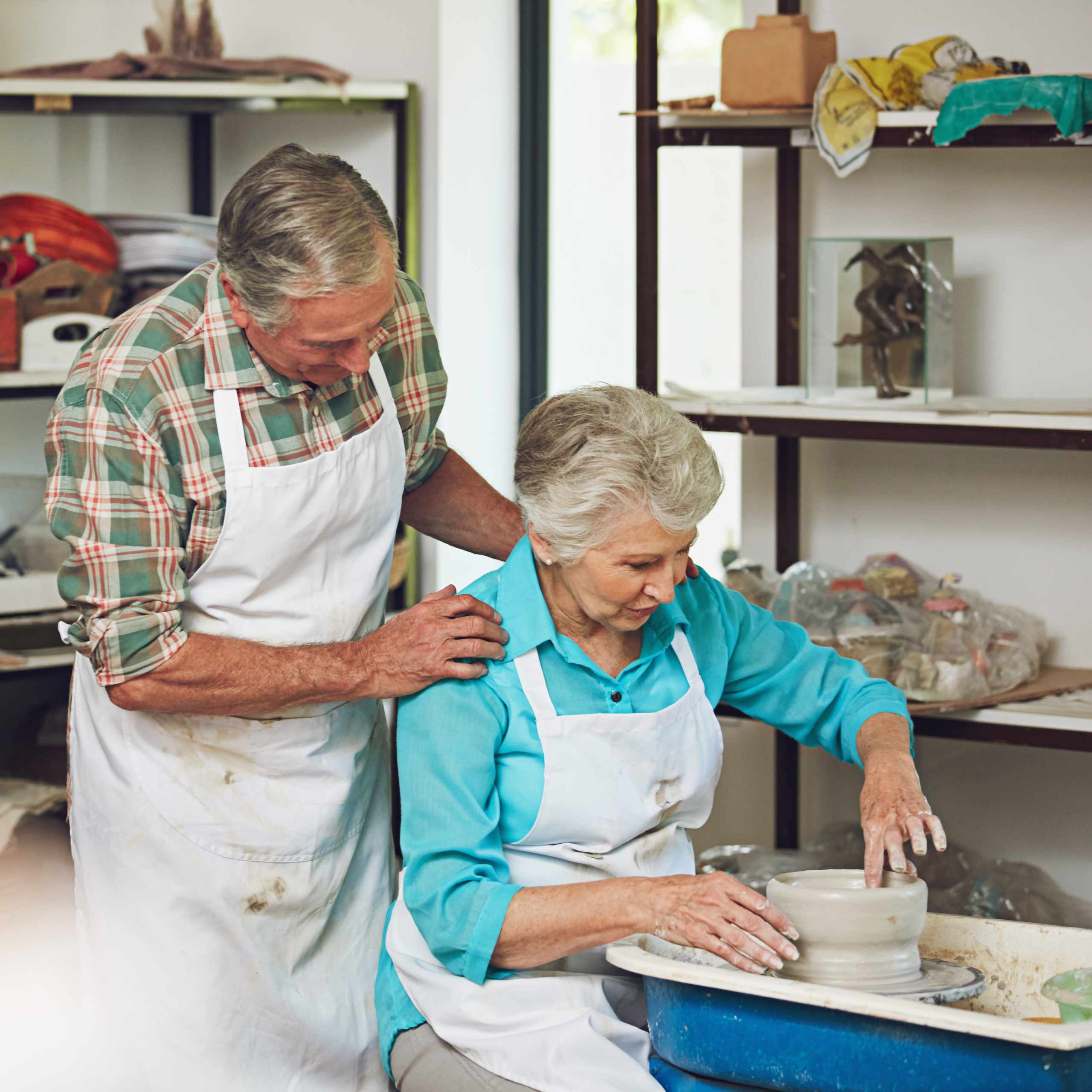
Rims Before Decoration
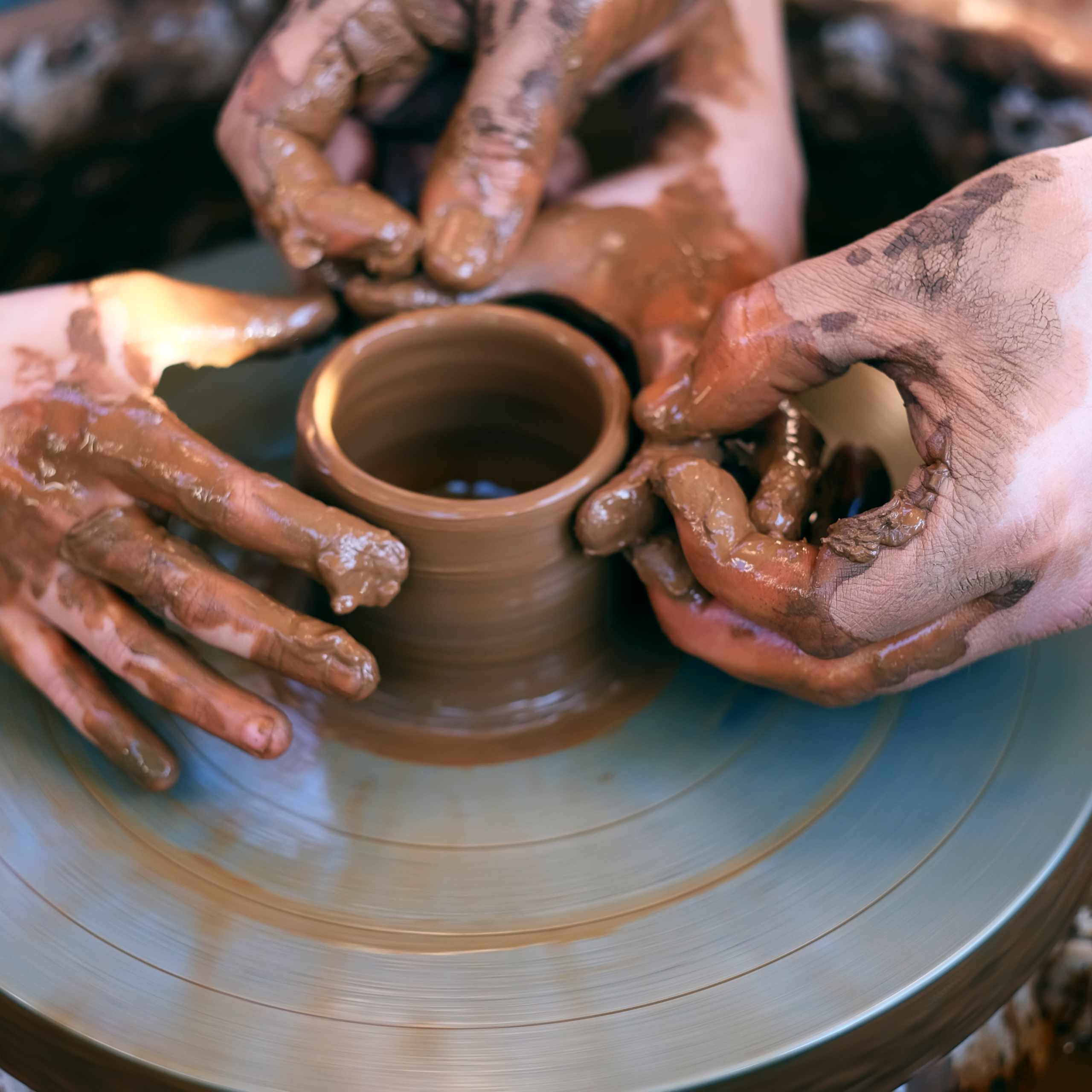
Joins Before Drying
Texture Before Glaze
BASIC TOOLS AND CLAY TERMS
What Learners Notice
Small changes in pressure, water use, and drying time can make the first handmade dishes feel less unpredictable.
I liked how the course slowed down the rim work. My first dishes were uneven, but checking before texturing made the process feel much clearer.

The scoring and slip practice helped me understand why my small details kept lifting. I now check joins before the clay gets too dry.

Testing texture on scrap clay first made a big difference. I stopped pressing random marks into the dish and started planning the surface.